

Choosing a tooth replacement option is an important decision, especially when you want a solution that feels comfortable, functions naturally, and supports your long-term oral health. Dental implants have become a popular option because they are designed to replace missing teeth while providing a stable foundation for a dental restoration. Understanding how the process works and what factors to consider can help patients approach treatment with greater confidence.
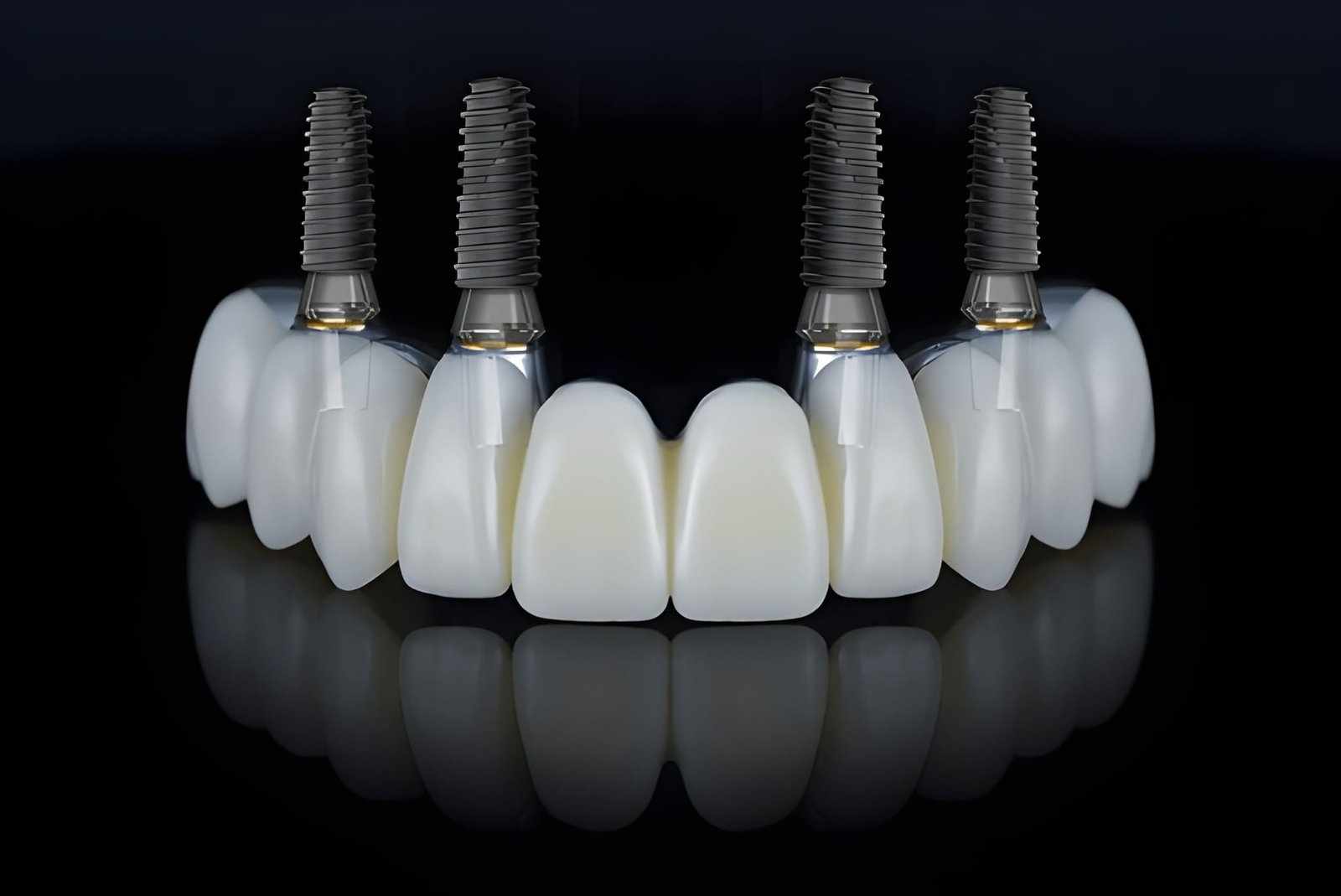
For patients considering dental implants in Miami Florida, it is important to understand that implant treatment is not simply about replacing a visible tooth. A dental implant replaces the tooth root with a small titanium post that is placed into the jawbone. Once the implant integrates with the surrounding bone, it can support a crown, bridge, or other restoration designed to restore the appearance and function of the missing tooth.
Why Are Dental Implants a Popular Tooth Replacement Option?
Missing teeth can affect more than your smile. They may make chewing difficult, influence speech, and allow neighboring teeth to shift into the empty space. Over time, tooth loss can also contribute to changes in the jawbone.
Dental implants address tooth loss differently from traditional removable options. Because the implant is placed into the jawbone, it provides a stable foundation for the replacement tooth. This can make the restoration feel more secure during everyday activities such as eating and speaking.
Implants can also be used in different situations. Depending on the patient's needs, treatment may involve replacing a single tooth, several missing teeth, or supporting a full-arch restoration.
How Does the Dental Implant Process Work?
The implant process generally involves several stages. First, a dentist evaluates the patient's oral health, existing bone structure, and overall suitability for treatment. Diagnostic imaging may be used to assess the jaw and determine the appropriate implant placement.
During the surgical stage, the implant post is positioned within the jawbone. The area then needs time to heal and allow osseointegration, which is the process through which the implant becomes integrated with the surrounding bone.
After healing, an abutment may be attached to the implant to connect it with the final restoration. A custom crown or other prosthetic component is then created to complete the treatment.
Because every patient's circumstances are different, the timeline can vary. A dental professional can explain the expected stages and approximate treatment duration after completing an individual evaluation.
Who Can Be a Candidate for Dental Implants?
Dental implants may be suitable for many adults with missing teeth, but candidacy depends on several factors. Healthy gums, adequate jawbone support, and good oral hygiene are important considerations.
Patients with insufficient bone volume may sometimes require additional procedures before implant placement. Conditions affecting oral health may also need to be addressed first.
A consultation is therefore an important part of the process. Rather than assuming implants are appropriate based solely on tooth loss, a dentist can evaluate the condition of the teeth, gums, and jawbone before recommending treatment.
What Should Patients Consider Before Treatment?
Understanding the treatment process is only one part of making an informed decision. Patients should also consider their oral health, expectations, treatment timeline, maintenance requirements, and the experience of the dental professional providing the procedure.
It is also useful to discuss the type of restoration being considered and how it will fit into the patient's overall treatment plan. A thorough consultation allows patients to ask questions about the procedure, healing period, potential risks, and aftercare.
Patients should also maintain realistic expectations. While dental implants are designed to provide a durable tooth replacement solution, their long-term performance depends on factors such as oral hygiene, regular dental visits, general health, and proper care.
How Important Is Proper Aftercare?
Aftercare plays an important role in protecting the investment made in implant treatment. Patients should follow their dentist's instructions carefully during the healing period and maintain good oral hygiene.
Regular brushing, flossing, and professional dental cleanings can help keep the gums and surrounding tissues healthy. Dental checkups also allow a dentist to monitor the implant and identify potential concerns early.
Lifestyle habits can matter as well. Avoiding behaviors that can damage teeth or interfere with oral health can support the longevity of an implant restoration.
Aftercare plays an important role in protecting the investment made in implant treatment. Patients should follow their dentist's instructions carefully during the healing period and maintain good oral hygiene. The American Dental Association (ADA) provides additional guidance on maintaining good oral health and making informed decisions about dental treatment.
What Are the Benefits of Replacing Missing Teeth?
Replacing missing teeth can provide both functional and aesthetic benefits. A properly designed implant restoration can help restore chewing ability and make everyday activities more comfortable.
Dental implants can also help maintain the spacing of the teeth by filling an empty area. Since the implant is anchored in the jaw, it provides stability that can make the replacement tooth feel more secure than some removable alternatives.
Another benefit is the potential for a natural-looking result. Implant restorations can be custom designed to complement the surrounding teeth in shape, size, and appearance.
Why Is a Professional Consultation Important?
No two patients have exactly the same dental needs. The number of missing teeth, condition of the gums, available bone, bite, and overall oral health can all influence the recommended approach.
A professional evaluation allows the dentist to identify these factors and develop a treatment plan based on the patient's specific situation. It also gives patients an opportunity to understand their options and make an informed decision.
Patients researching essential facts about choosing dental implants should focus not only on the procedure itself but also on candidacy, treatment planning, healing, maintenance, and long-term expectations.
Making an Informed Decision About Dental Implants
Dental implants can be an effective option for replacing missing teeth, but successful treatment begins with proper planning. Understanding the procedure, evaluating your oral health, discussing your expectations, and following professional aftercare recommendations can all contribute to a positive treatment experience.
If you are considering implants, the best next step is to schedule a consultation with a qualified dental professional. A personalized evaluation can help determine whether implants are appropriate for you and what treatment approach may best support your smile, comfort, and long-term oral health.











Write a comment ...